For a public-private organization to succeed, it needs to be as agile and financially disciplined as a purely for-profit company.
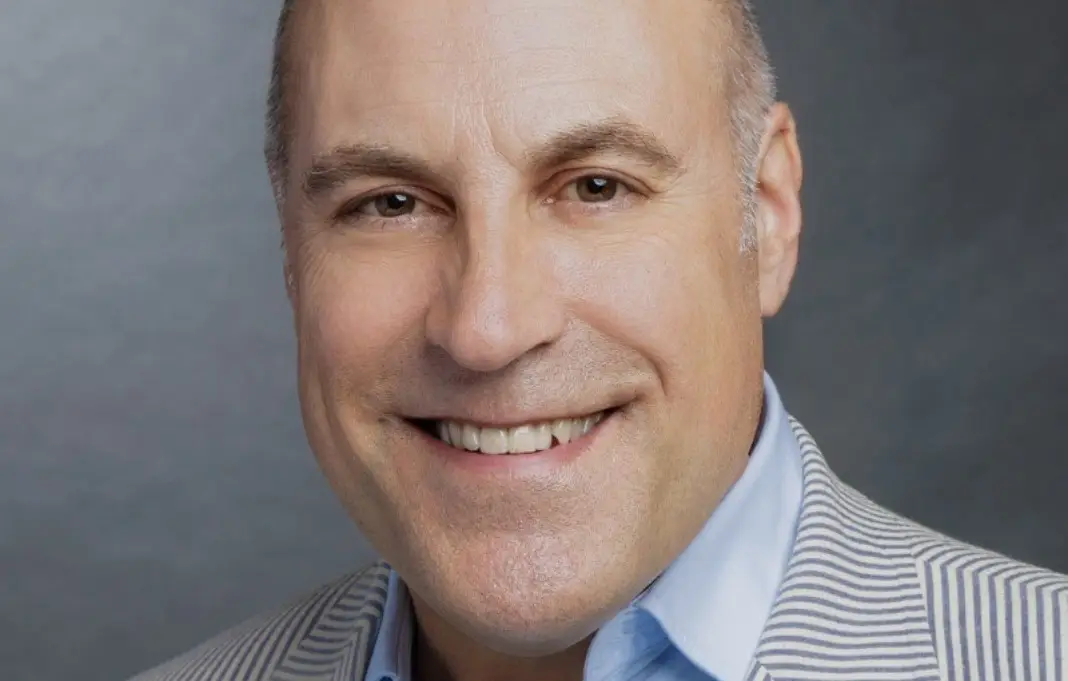
It’s an effort familiar to Owen Barwell, CFO of BioMADE (Bioindustrial Manufacturing and Design Ecosystem), a Department of Defense-funded institute that is working to boost the domestic bioindustrial manufacturing sector. BioMADE is co-headquartered in Minneapolis and Emeryville, California.
Joining from the U.S. Nuclear Regulatory Commission, Barwell brings decades of experience spanning the federal, public and private sectors across the energy, professional services, aerospace, commercial real estate and rail industries. He spoke with CFO Leadership about finance priorities for the year ahead, why data isn’t enough and the importance of creating a culture that “prioritizes informed decision-making.”
What strategic priorities are you focusing on as CFO, and how are you aligning finance with long-term organizational goals?
My priorities are centered on building a resilient financial strategy that aligns with our long-term mission while securing America’s future through bioindustrial manufacturing innovation, education and collaboration. As a public-private partnership, BioMADE is a nonprofit by structure, but our operational mindset needs to reflect the agility and discipline of the private sector. This duality is both a promising challenge and an opportunity.
BioMADE’s strategic focus is two-pronged: first, to ensure sustainable financial health and second, to position our organization for long-term impact in advancing bioindustrial manufacturing for national security and resilience. To do this, we’re applying private-sector financial rigor to budgeting, forecasting and capital planning, while staying grounded in our mission.
We’re small enough to be hands-on and nimble, which allows us to embed our financial strategy directly into operational decision-making and ensure that each dollar invested supports scalable, mission-aligned outcomes.
Ultimately, my role is to ensure that BioMADE has financial clarity, agility and resilience to deliver on its mission for decades to come.
How do you see the role of the CFO evolving in response to increasing demands for data-driven decision-making and cross-functional leadership?
The modern-day role of the CFO has evolved far beyond being the traditional “bean counter” when I started my career. Today, it’s about being a strategic business partner and a leader who helps shape an organization’s direction.
At BioMADE, we’re embracing this evolution by investing in technology to automate core business processes and generate the kind of high-quality data that fuels smart, timely decision-making.
However, data alone isn’t enough—it’s the combination of data and focused action that creates meaningful insight and drives change. Great strategy is 10 percent inspiration and 90 percent execution, and the execution starts with clean data, smart systems and a culture that prioritizes informed decision-making.
In a small but complex organization like ours, the CFO role is inherently hands-on. We’re building a finance function that not only ensures sustainability but also empowers the entire organization to make faster, smarter and more aligned decisions.
Can you share a recent challenge you’ve faced in driving financial transformation or operational efficiency, and what others might learn from your approach?
At BioMADE, one of the biggest challenges we’ve faced has been building for the future while managing the demands of today. As a growing organization, we’re constantly balancing immediate needs with a vision for the resources required when we’re three times our current size. That means aligning the right people, the right technology and the right ways of working, all while staying true to our mission.
I define culture as, “the way things are done around here” which makes culture hard to establish and even harder to change. To meet this challenge, we’re focusing on hiring strong talent, investing in automation and creating incentives to value data-driven decisions.
But transformation isn’t just about tools, it’s about how people use them. I’ve found that personal connection and collaboration are the key. In a small, hands-on environment like BioMADE’s, progress comes from bringing people together and moving forward with a shared purpose.
What advice would you give to fellow CFOs looking to build stronger partnerships across the C-Suite and with internal stakeholders?
My advice is simple: start by asking, “How can I help you?” Building trust begins with listening. Once you understand your colleagues’ needs, you can help them navigate policies and constraints, and when necessary, be clear about what’s not possible while operating with empathy and clarity.
As in any situation, some things are out of your control, but you can always show up as a contributing partner who brings both IQ and EQ to the table. Read the room, understand what matters to your peers, and translate how finance can support their goals, all while maintaining the guardrails of compliance. Being helpful without breaking the rules is a balancing act, but it’s also where the most meaningful partnerships are built.