As nations attempt the shift to more renewable sources of energy, the supply and control of critical minerals have become crucial both politically and economically. One of the newer companies operating in this high-stakes environment is Toronto-based Aclara Resources, a mining company that explores and develops rare-earth mineral resources in Chile, Brazil and Peru.
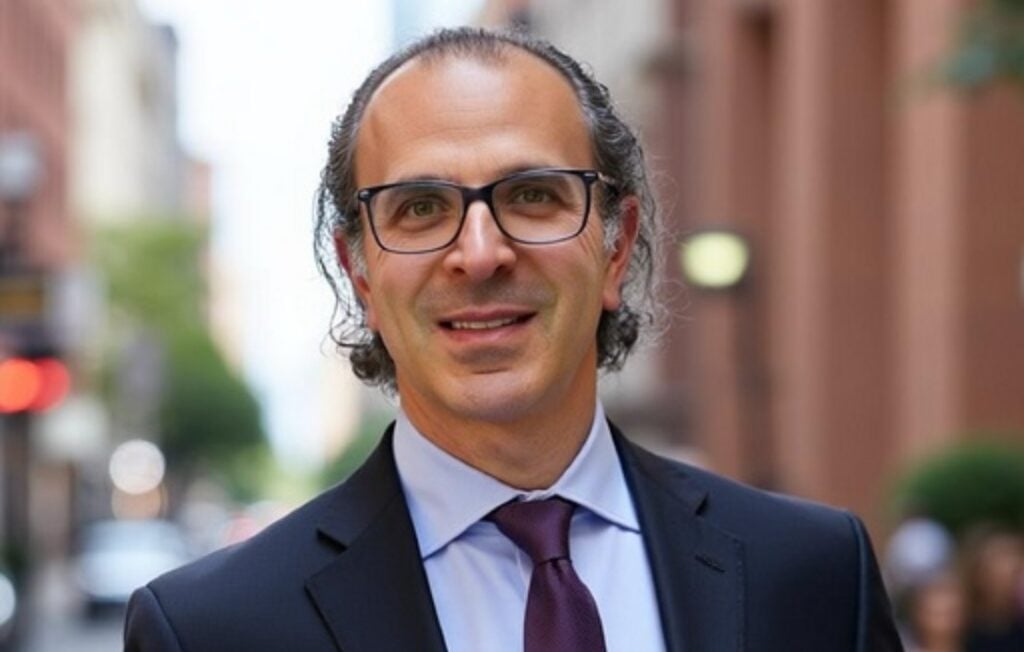
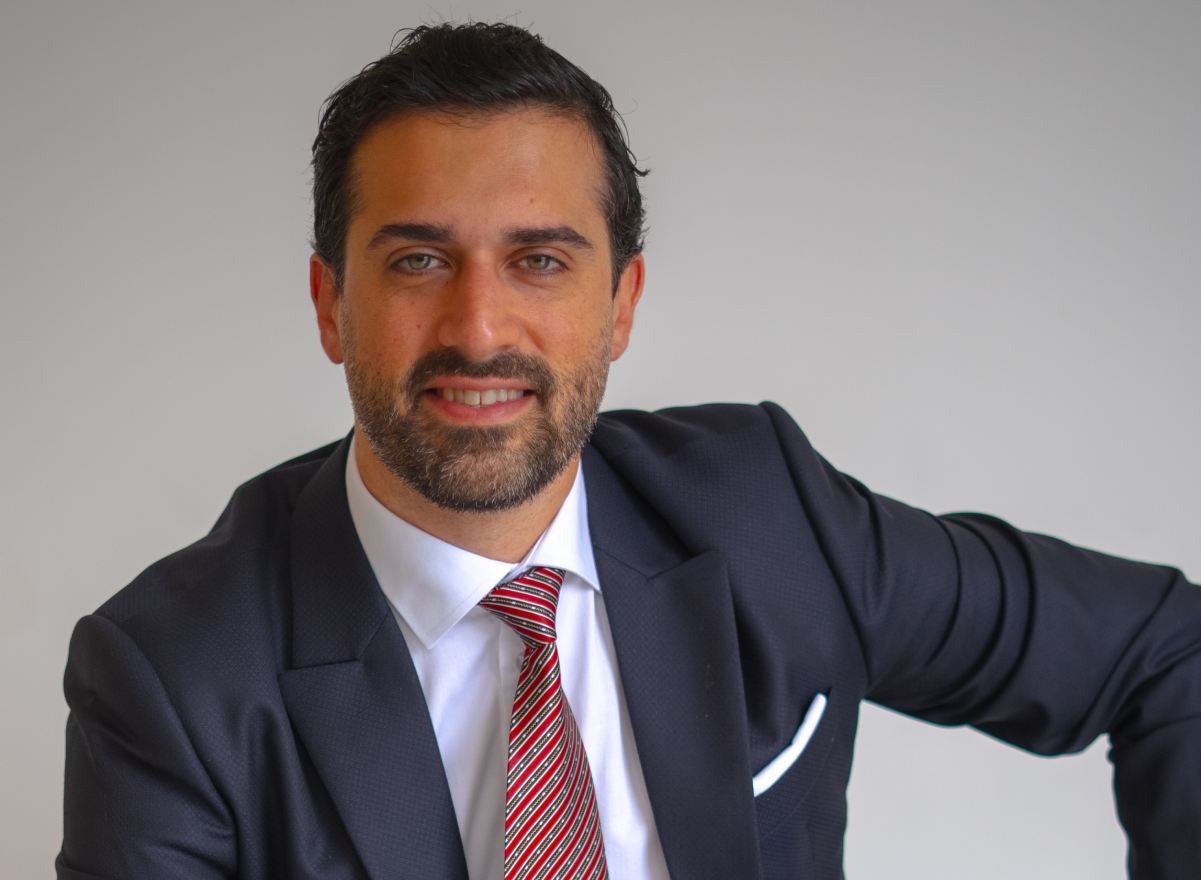
Francois Motte Sauter has been CFO of Aclara since its spin-off from precious metals company Hochschild Group in 2021. Operating at the intersection of clean technology, mining and critical minerals, Sauter says his 15 years in finance at Hochschild instilled in him “a sharp focus on two things: cost control and timely execution.” But the formative lessons, he says, came during times of extreme volatility in commodity prices.
“Living through these cycles taught me to expect uncertainty and to treat disciplined capital planning and risk management not as backstops, but as essential, everyday practices,” says Sauter.
In the following interview, Sauter discusses the framework for Aclara’s approach to finance—meeting investor expectations, integrating vertically, closely monitoring the cost of capital and pursuing sustainability initiatives.
How does the current state of the market for rare earths affect a relatively young company’s strategy?
In a high-growth environment, like [the one] Aclara [is in], the opportunity is immense, but so are the risks. The rare earths sector is moving fast, and the time to establish ourselves as a global leader is now. That makes precision in execution, careful capital deployment and transparent investor communications critical.
Unlike traditional producers, we are still in a pre-revenue phase, which means every dollar invested must be strategic, and every decision measured. There’s no room for inefficiency. That’s why we’ve adopted a philosophy of streamlined execution across all our projects—driven by data, guided by experience and rooted in a clear understanding of investor expectations.
In many ways, the culture of Hochschild shaped the high standards I now apply at Aclara: act decisively, plan conservatively and execute relentlessly. Those principles have proven indispensable.
Execution remains our North Star. We measure ourselves not just by ambition, but by tangible progress: technology validation, permitting milestones, community engagement and continuous cost optimization. These achievements speak louder than projections—and they are what earn and sustain the trust of long-term capital partners.
What are some of the pillars of the company’s overall strategy in its markets?
From day one, we’ve had a clear-eyed view of the rare earth landscape, particularly the critical role of heavy rare earth elements (HREEs) and the limited global supply outside of China. We understood early on that ionic clay deposits—like ours—are the primary viable source of HREEs. And that demand from tier-one economies would rise dramatically as the world accelerated its shift to renewable energy. This conviction allowed us to move forward with confidence and attract investors who share our long-term outlook.
A key pillar of our strategy has been securing and advancing some of the world’s best ionic clay resources. Technology can be built with time and capital, but quality deposits are scarce. Today, Aclara holds two of the top three ionic clay projects globally—a strategic advantage that positions us well in a supply-constrained future.
We’ve also placed sustainability at the heart of our technological development. Our circular mineral harvesting process, successfully proven at semi-industrial scale in 2023, sets a new standard in environmental stewardship. By eliminating many of the industry’s historical challenges—such as high energy usage and radioactive waste—our process gives investors confidence that we can deliver on both operational performance and ESG imperatives.
Aclara is building a vertically integrated mine-to-magnets solution—a capital-intensive and high-stakes endeavor. Why vertical integration?
Recognizing that long-term value depends on more than resource extraction, we’ve pursued vertical integration from the outset. By expanding beyond concentrates to produce rare earth oxides and alloys for permanent magnets, we can engage customers at multiple stages of the value chain—whether in the automotive, wind energy or high-tech sectors—and better manage commercial and financial risk.
Finally, we view vertical integration not as an option but a necessity. In critical minerals like rare earths, where the downstream supply chain is underdeveloped or nonexistent in many regions, building internal capacity or strategic partnerships to process materials into finished products becomes vital.
Enabling the manufacture of permanent magnets not only creates commercial and economic value—it broadens our investor base by redefining Aclara from a mining company into a technology-forward enterprise.
Support from strategic governments has also played a key role. Countries like the U.S., Japan and members of the EU increasingly view rare earths through the lens of supply chain security. This enhances our financing options and ultimately reduces our cost of capital. At the local level, our collaborations in Chile and Brazil—such as our MoU with the State of Goiás for the Carina Project— demonstrate how public-private partnerships can accelerate permitting and build trust with both communities and investors.
Building a vertically integrated mine-to-magnets solution is not only capital-intensive—it requires a bold vision, a long-term commitment, and the ability to inspire confidence across markets and stakeholders.
How do you see the role of finance evolving, particularly in sectors that are redefining supply chains for geopolitical and sustainability reasons?
The role of finance in industries like ours is evolving rapidly. At Aclara, finance is not a back-office function but a strategic driver that connects the dots across sustainability, innovation, stakeholder alignment and geopolitical realities.
The environment is high-stakes. We are currently advancing four projects simultaneously—two mining and two processing facilities—with sustainability embedded at the core. These are long-term, capital-intensive ventures. But they are also essential, given the strategic importance of rare earth elements to economies. Finance, in this context, is about more than balance sheets—it’s about positioning the company to execute, endure and lead.
Today’s CFO must have a deep understanding of the entire business ecosystem—from regulatory requirements and environmental impacts to customer expectations and capital markets. This is especially true when developing a differentiated model like ours, where we’ve chosen to go well beyond environmental compliance in favor of long-term sustainability value.
How are you funding these capital-intensive projects? Do sustainable practices play a role?
At Aclara, we’ve engineered a rare earths extraction process that avoids explosives, crushing and milling—stages that typically account for the largest carbon footprint in mining. We recirculate water, use fertilizer as a primary reagent and have committed to complete reforestation with native species. While these decisions may increase upfront costs, they ultimately unlock long-term benefits—access to ESG-conscious investors, qualification for green finance instruments and stronger alignment with high-quality customers who prioritize sustainability.
Financing in this sector also requires creativity and agility. While traditional funding for junior mining has become more constrained, the urgency of securing critical minerals has opened up new, non-traditional avenues. Government-backed loans, guarantees and grants—often long-term and low-interest—are increasingly available to companies like ours that align with national supply chain security goals. These instruments not only reduce financial risk but can enhance overall project economics.
In parallel, we’re investing heavily in innovation. Developing new processing technologies that improve recoveries, lower environmental impact and reduce capital intensity is essential—not just for operational excellence, but to stay eligible for a growing pool of public and private innovation funding.
What advice would you offer to emerging finance leaders who aim to operate at the forefront of innovation and sustainability, particularly in industries undergoing significant transformation, such as energy, mining, and manufacturing?
My advice to the next generation of finance leaders is simple: Don’t treat sustainability and innovation as checkboxes—make them the foundation of the business strategy from day one.
The most successful companies of the future will be those that embed environmental and social responsibility directly into the design of operations and products. It’s far more cost-effective, and ultimately more impactful, to create a sustainable process from the outset than to retrofit one later. Actual value creation today means going beyond compliance to deliver long-term environmental stewardship and tangible socioeconomic benefits for host regions.
Emerging finance leaders should also lean into technology. Innovations such as artificial intelligence, data analytics, and automation are potent tools for enhancing efficiency, quality and cost control throughout the supply chain. Finance professionals must understand not only how capital is allocated, but also how it enables transformation.
Finally, take the time to understand your supply chain thoroughly. In transitional industries, value is often lost in inefficiencies between stages. The opportunity lies in integration—bringing coherence to each link and driving performance holistically.