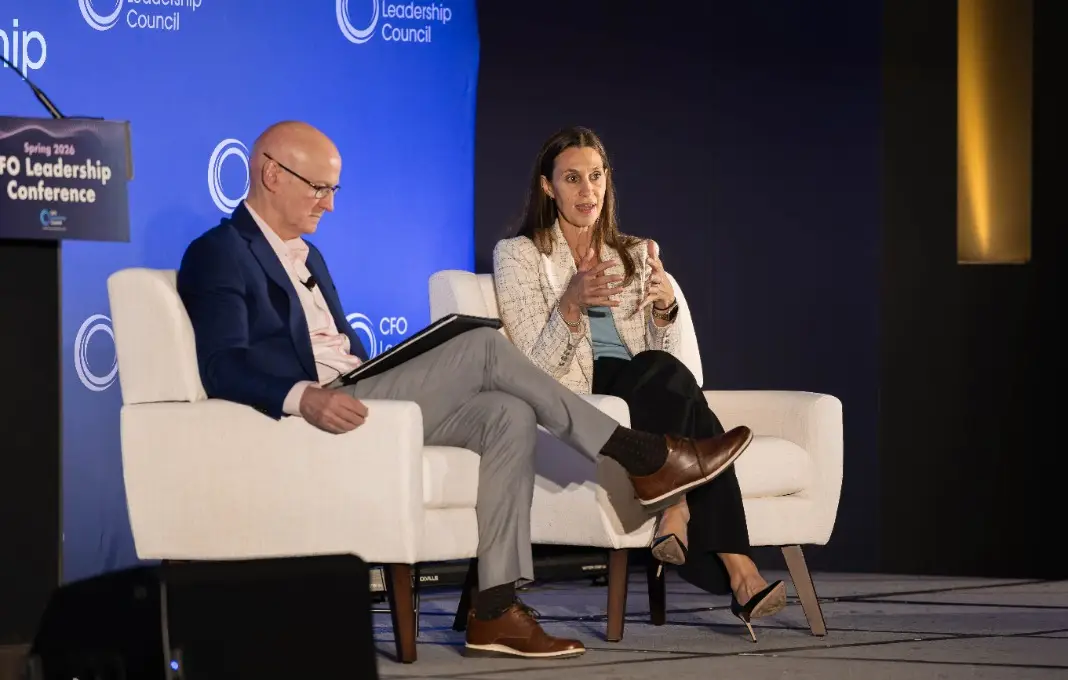
When Gina Goetter joined Hasbro three years ago as CFO and COO, the business wasn’t in great shape. Margins were thin, the portfolio was sprawling and the company best known for Monopoly, Nerf and Transformers needed to figure out what it actually wanted to be when it grew up.
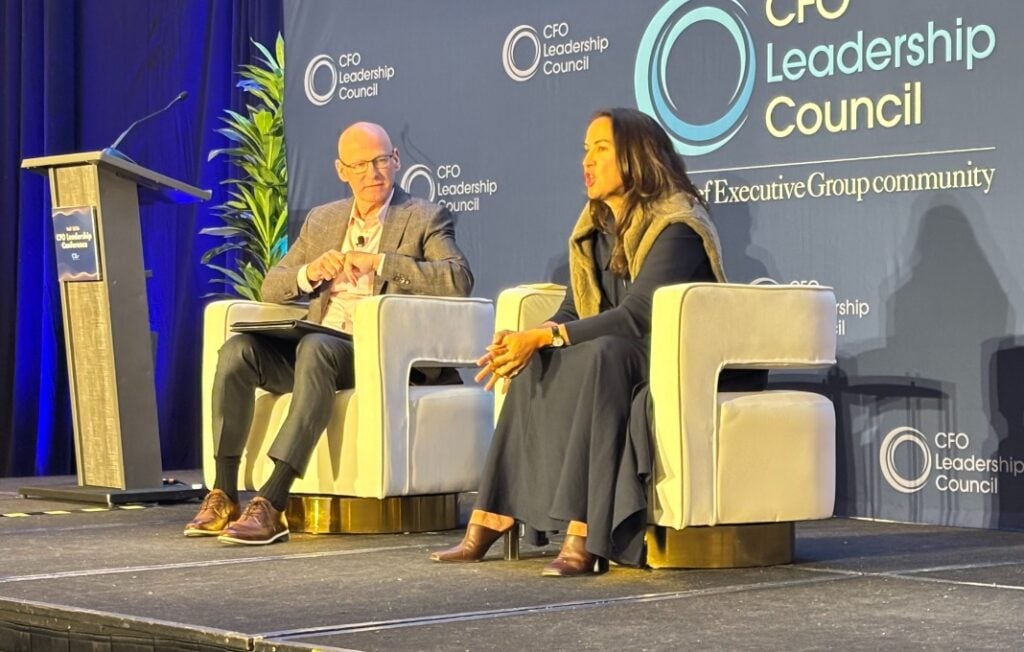
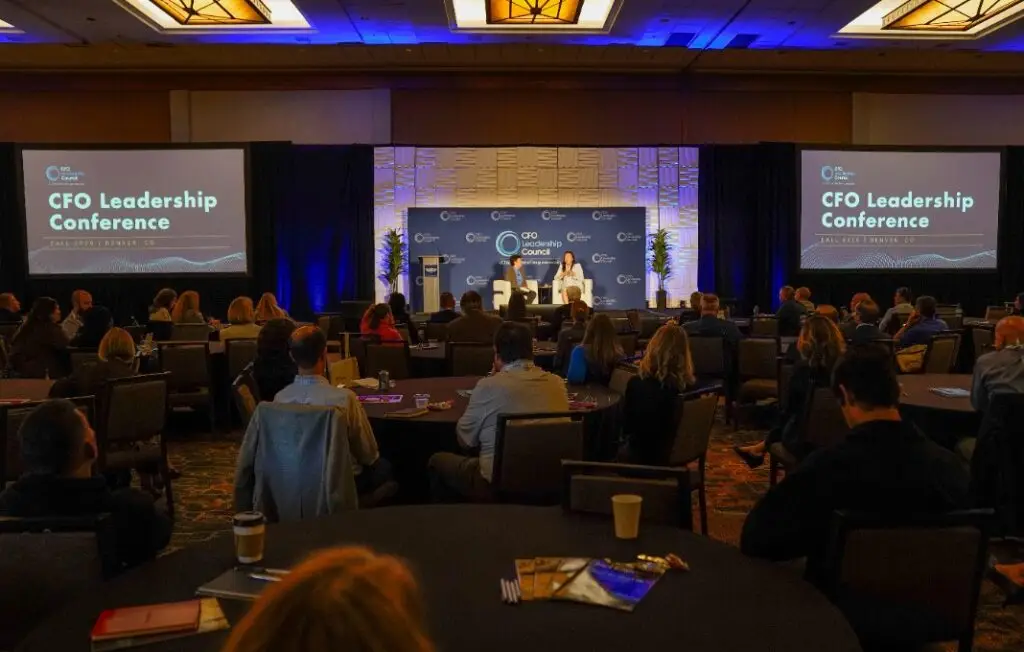
Working alongside CEO Chris Cocks, Goetter has been leading what the company calls its Playing to Win strategy—reorienting Hasbro away from being a toy company and toward being, in her words, “a modern play company” built around IP that can live across physical products, digital gaming and entertainment. At the CFO Leadership Council’s Spring 2026 Leadership Conference in Boston, she shared what she’s learned.
Start with an honest portfolio assessment. One of the first things Goetter and Cocks did was build a simple framework for every business in the portfolio: grow, optimize or reinvent. It forced hard conversations fast—about where the money would go, where it wouldn’t and what it would actually take to protect the brands long-term. “It allowed us to move pretty decisively like, who’s going to get the money, who’s going to get the resources—but then also get to the honest truth of what we were going to need to do to reinvent and make sure that these businesses were around the next hundred years.”
Strategy is subtraction. In a creative company, ideas are never the problem. Prioritization is. Goetter pushes her team to get past the brainstorm and into the hard work of figuring out what will actually move the needle—because no company has unlimited capital, people or time. “The easy part of strategy is coming up with the ideas and brainstorming sessions and putting everything on the wall. The tough part of strategy is to boil that down to what is actually going to matter? What is going to create the biggest impact? What’s going to create the most amount of value for our stakeholders?”
The CFO-COO combo isn’t two jobs—it’s one. Goetter doesn’t see her dual title as additive. Every operational decision lands on a financial statement; every financial constraint shapes an operational one. The practical upside is speed—fewer approvals, fewer handoffs, faster decisions. “I don’t have a finance team that’s separate from my ops team, that’s separate from my technology team. We are one team. We are not the people sitting over on the side keeping score and putting out fancy reports. I want my team to be as vested in what is going on in the supply chain as they are in what does it mean and manifest in the P&L.”
The CEO-CFO relationship runs on candor. Goetter and Cocks debate openly—including in front of the organization, which took some getting used to for the Hasbro team. She’s clear on where the line is: fight privately, present a united front publicly. But if you find yourself agreeing with the CEO all the time, she says, you’re doing it wrong. “He counts on me to give him some honest truths and engage in that debate. And then there’s also finding those moments where you’ve got to support him. He’s the CEO and I will back him up a hundred percent. It’s finding that balance of where’s that line that you want to make sure you’ve never, ever crossed.”
Get comfortable in the gray. Goetter’s career has been built on saying yes to uncomfortable assignments—including one early at General Mills where her boss told her simply to “fix finance” with no further brief. She built a team of 100 from four and retooled the entire function over three years. Her advice to CFOs who want to grow beyond the finance chair: get as close to the operation as possible, as early as possible. “Every situation that I put myself in that was either gray or ambiguous or super uncomfortable from a personal standpoint—that’s where I saw the most amount of growth.”
On AI: don’t drop millions on SaaS you may not need. Hasbro has made AI tools available companywide and is seeing early productivity gains. On the creative side, it just launched Sixth Wall, an AI studio where Hasbro characters can power B2B experiences—think an Optimus Prime receptionist who greets visitors, comments on what they’re wearing and gives directions around the building. But on the enterprise software side, Goetter is deliberately pumping the brakes. “Until we understand what kind of AI capability is coming, I certainly don’t want to go drop millions of dollars on a software as a service solution anymore. I just don’t think the return is there.”