Too many CFOs treat variance as something to explain rather than something to interrogate—and that instinct is obscuring where execution actually breaks down.
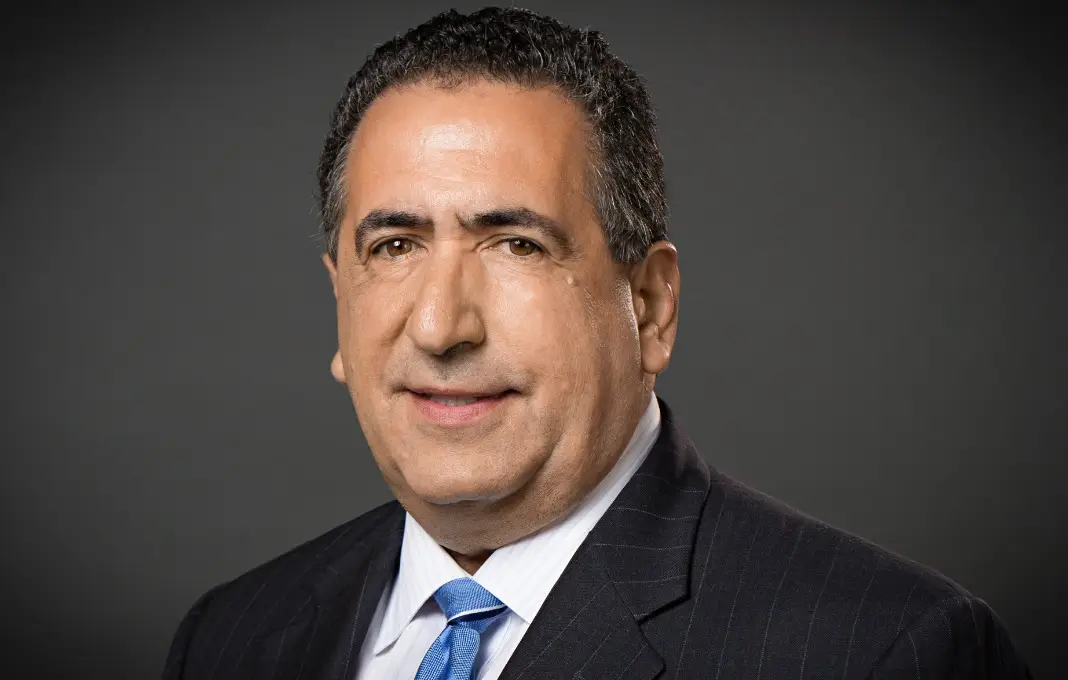
Lui Damasceno, CEO of Brooks International, a global professional services firm based in West Palm Beach, Florida, spoke with CFO Leadership about why variance is often misread, why predictability is an output of operating model design and the three questions every finance leader should put to their CEO before the next strategy cycle.
CFOs are often the first to spot execution issues through variance. What are they really seeing, and where do they tend to go wrong?
They are picking up on a real signal, but the interpretation often stops too early. When a gap shows up in the numbers, the immediate reaction is to look at pricing, volume or cost discipline. Those factors can play a role, but they are usually not the origin of the problem.
In many cases, the issue is how the organization functions day to day. Decisions are escalated unnecessarily or made too slowly. Information that should trigger action surfaces only after the opportunity to respond has passed. Accountability is uneven or unclear.
If the analysis ends at the financial layer, you are treating the symptom. When CFOs push further and ask what did not happen operationally, and why, they start to uncover the real constraint. Most companies do not lack strategy. They lack an organization built to deliver it consistently. A highly effective sales, inventory and operations planning capability will deliver predictable business performance attainment.
You have said predictability is not primarily a finance issue but a design issue. What drives that, and why does it matter for CFOs?
Predictability is a byproduct of how the organization is set up, not something that can be achieved through tighter controls or better forecasting alone.
Three elements tend to determine whether results are stable or volatile. The first is decision rights, meaning who actually makes which calls in practice. The second is performance rhythm, or how quickly deviations become visible where action can be taken. The third is accountability, specifically whether ownership of outcomes is clear, conducted in a pre-emptive manner and consistently reinforced.
When those elements are aligned, results become far more reliable. When they are not, even the most disciplined financial processes will struggle to compensate. For CFOs, where you place the diagnosis determines where you invest your effort and influence.
Where do breakdowns in the operating model show up most clearly in financial performance?
Performance rhythm is often the first fault line. Many organizations are set up to report what has already happened rather than to influence what happens next. By the time an issue appears in a quarterly review, the ability to correct course has usually diminished.
CFOs who consistently stay ahead of results tend to build shorter feedback loops. Weekly and monthly cadences surface emerging issues early enough to act on them, rather than documenting them after the fact.
The second area is accountability. It is common to search for explanations in capital allocation decisions or cost initiatives, when the more fundamental issue is that accountability is not designed to anticipate and not embedded in the structure. Instead, it relies on how hard individual managers push devoid of direct intention and course correction. That difference is critical when trying to understand repeated misses against plan or better yet avoid the miss completely.
Recent data on execution is concerning. What stands out to you, and what should CFOs take from it?
The 2025 State of Strategy Execution Report, which surveyed more than 250 senior leaders, highlights a persistent gap. Seventy percent acknowledge falling short on execution. Fewer than a third report strong accountability at the leadership level, and only a minority connect performance management directly to strategic priorities.
For CFOs, the takeaway is straightforward. If the financial model and the operating model are not tightly linked, outcomes will continue to feel unpredictable. Results will be explained after they occur rather than shaped in advance. Moreover, to maintain chronic focus on business objectives, organizational members be accountable to performance expectations deployed in a highly quantitative manner and linked directly to the organizations performance management system.
The challenge is becoming more acute as organizations add AI initiatives on top of operating models that were already under strain. That increases both the complexity and the risk, and it is an area that belongs squarely on the CFO agenda.
What should CFOs be asking their CEOs before the next strategy cycle begins?
Before new targets are set or new initiatives launched, CFOs should focus the conversation on three areas.
- Are decision rights consistent with the strategy, or are key decisions still concentrated too high in the organization or moving too slowly?
- Does the performance management approach provide early visibility into deviations in a timely and correctable manner, or does it mainly explain results after the fact?
- Is accountability built into roles and processes, or does it depend on individual effort and intensity?
If those questions surface discomfort, that is where the work needs to happen. CFOs who help bring that clarity to the surface and drive action against it are contributing far beyond the finance function.