Every week, at the same time, Dorothy Walter blocks 45 minutes on her calendar for anyone in her global finance organization who wants to stop by. She calls it “tea with Dorothy.” People bring project roadblocks, career worries and sometimes just news about their kids.
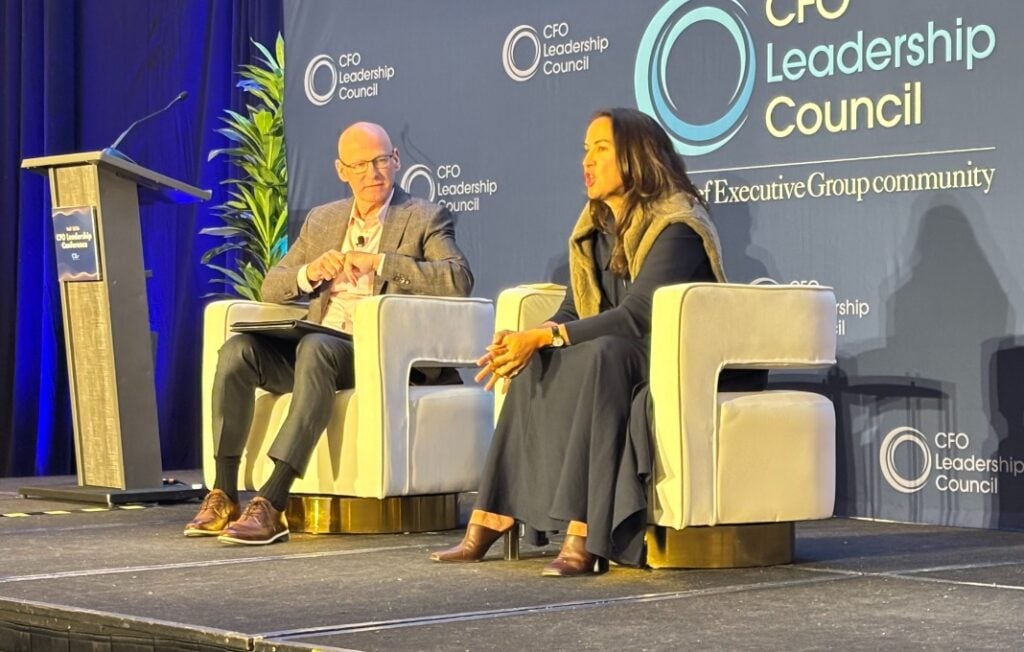
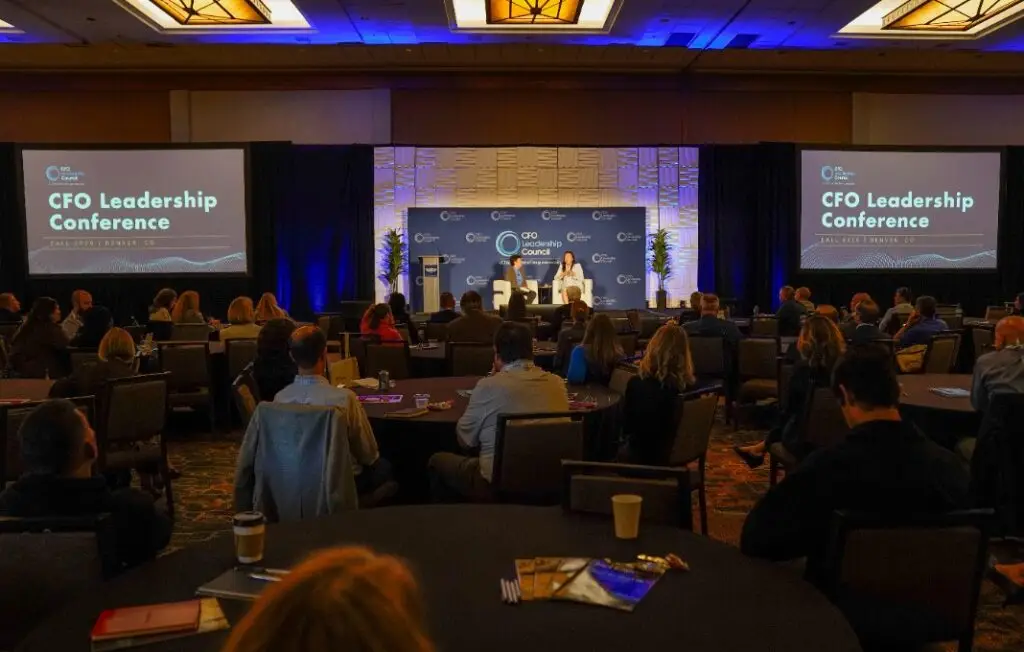
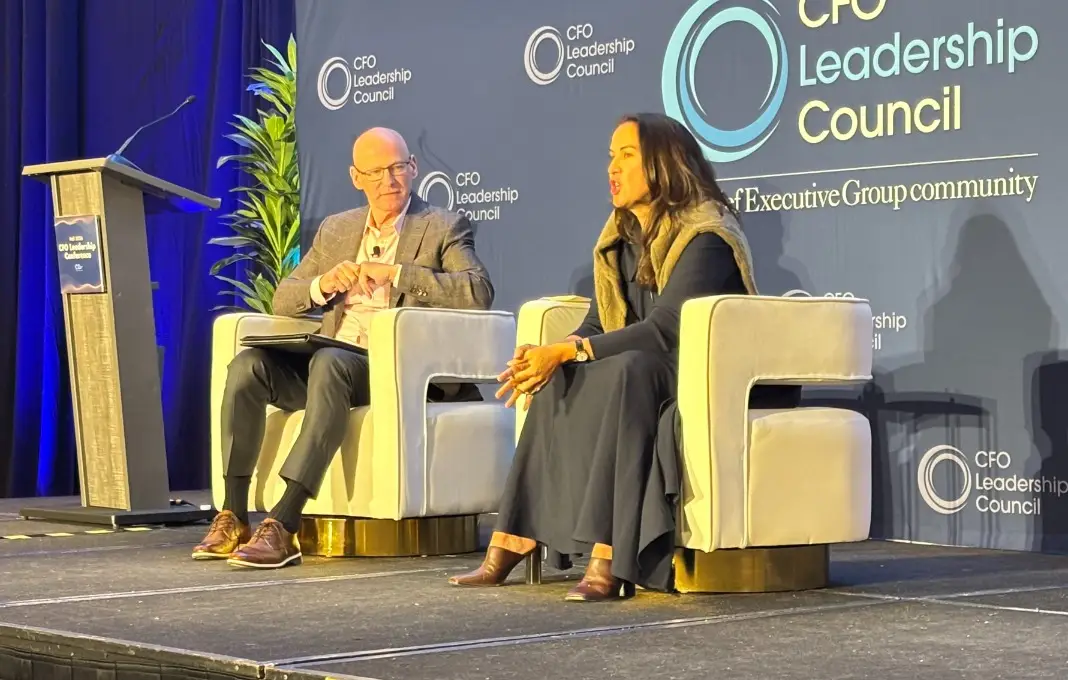
“You’d be surprised as to how many things I got ahead of with those types of office hours, that if I hadn’t addressed it then, it would have percolated up the org and created confusion or anxiety,” Walter, global CFO of venture firm Accel, told the CFO Leadership Conference in Denver.
An audience member asked how to keep open office hours from turning into a complaint line. Walter offered her script for setting an issue aside without brushing it off: “This is a really good topic. Thank you so much for bringing it to my attention. Let me think about the best way to get back to you on this. It could be a one-on-one. It could be something else. I’m adding it to my list.”
Walter became CFO of Alpine Investors at 33. Over seven years she helped grow its assets from $1 billion to $18 billion, then moved to Accel. Most of her session was about the people side of the job. Some approaches she shared:
Bring the answer, not the problem. At Alpine, Walter took over from a founder who had been serving as interim CFO, and he could spend 20 minutes talking through a single problem. So she changed how she came to meetings. “I would start to come prepared with my recommendation. So okay, there’s this problem. I’ve done X, Y, Z. I’m recommending A, B, C. What do you think?”
Bring your people along. Accel’s reporting ran on proprietary software that one longtime employee had built over 20 years. Walter spent hours with her learning why it worked the way it did. Then she had the operations leaders vote anonymously, on paper, on how to modernize it, and after four months the vote was unanimous. Along the way she gave the whole organization quarterly updates: “Here’s what the leadership team has been talking about. Here’s where we’re stuck. Here’s where we want your input. Here’s what’s not going well. Here’s what is going well.”
Make reviews about what’s next. Walter skips the recap of the past year and asks about the year ahead. “What do I think you are really good at that no one else in the firm is good at that you are going to deliver on in the next two years, and how am I going to free you up so that you can do more of that for us?”
Defeat politics with transparency. During the rollout of a new investor portal, her investor relations, data and engineering teams were complaining about each other behind closed doors. She moved everything onto a shared project board, which grew from about 20 items to 800 over six months. “Just making the work visible that each function was doing to the other functions was hugely helpful.”
Make recruiters do more. Walter gives recruiters more than a job description. She sends profiles of specific people she’d hire, with her reasons, plus two case questions that candidates answer in a paragraph before she meets them. Another hack: When an interview is clearly going nowhere, she ends it to save everyone some time—and pain. Her template is simple: “Hey, so-and-so, thank you so much for your time. We’ve spoken through three or four questions. I think I have everything I need at this moment. We’ll be in touch.”
Start AI where people are drowning. Overworked, understaffed teams are the easiest place to begin. For example, her investor relations team spent its days answering the inbox. To get them to hand that off, she pitched the bigger job waiting for them: rebuilding investor reporting. “Figure out a way to work yourself out of a job because aren’t you excited about this thing?”
Who’s on your bat phone? Walter keeps a short list of peers she can call in a crisis, as she did when Silicon Valley Bank collapsed, and sees them three or four times a year. She treats her auditors and tax advisors the same way. “I’ll meet with them regularly outside the office to cultivate those relationships because I know when the you-know-what hits the fan, they will prioritize my call.”
For Walter, even in the age of AI, success comes back to one simple thing: good people. And that means cultivating real relationships. “If you want to retain the best talent, you have to be empathetic,” she said. “You have to know what is that person thinking that they’re not saying?”