Susanne Edwards brought legal, IT and operations into the selection of a new platform at Pep Boys and asked the vendor for its SOC report. They spent months analyzing the vendor, running scenarios and thinking about implementation.
Despite all the efforts, deep into implementation her team still found a gap in how the system handled access privileges, one that could have led to a SOX deficiency. “We kind of had to hit the pause button until we could really understand for that product and that platform how it was going to remedy that for us through its product roadmap,” said Edwards, vice president of shared services and indirect procurement at Pep Boys.
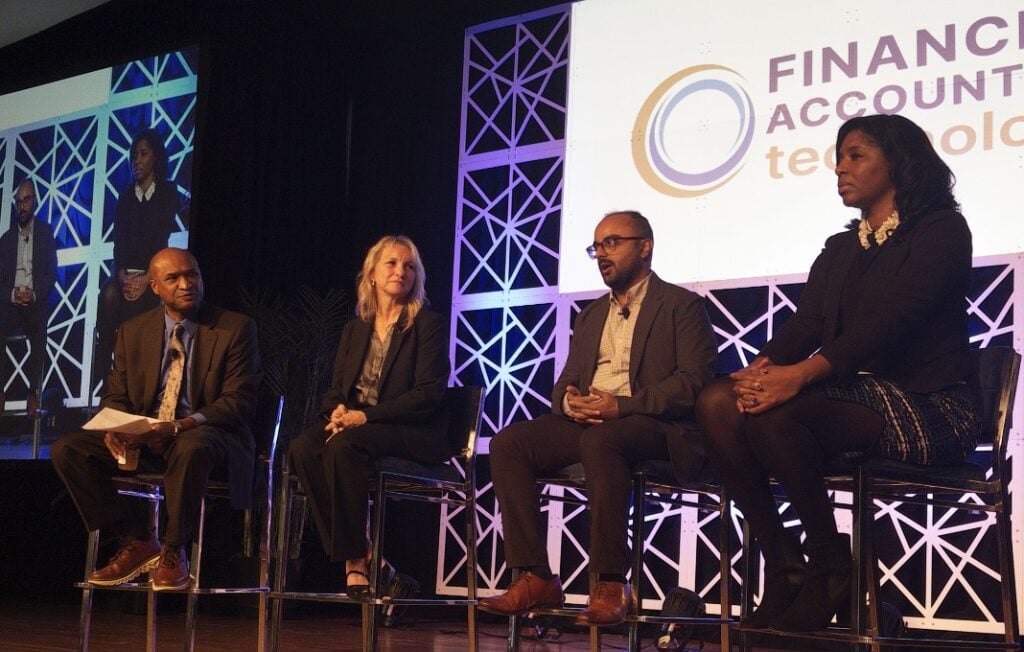
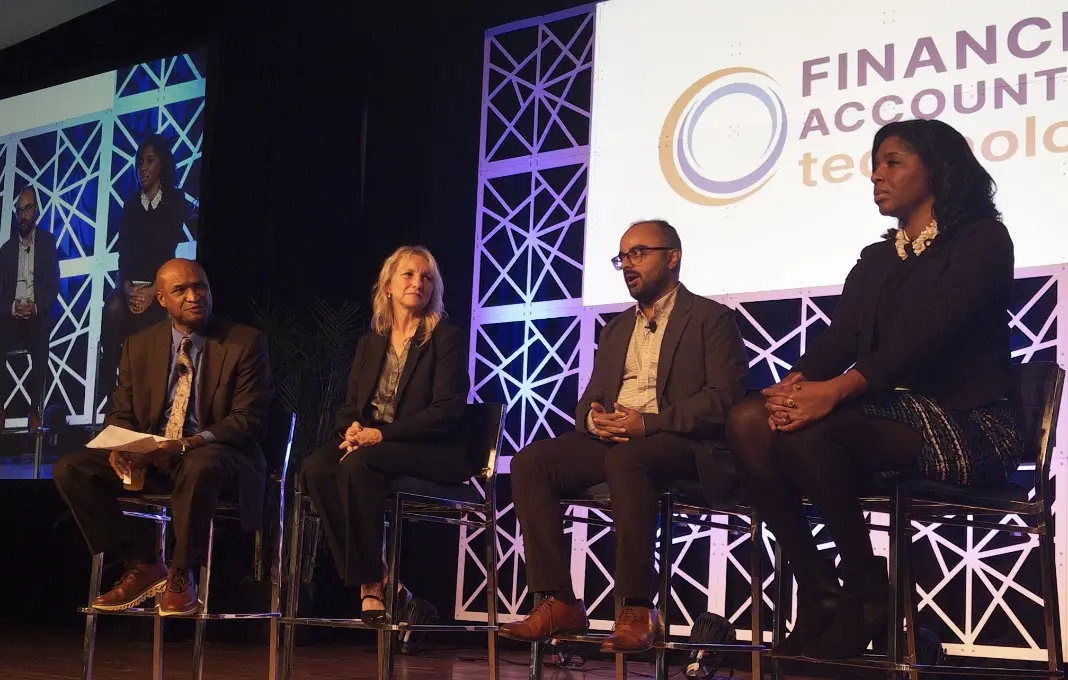
Lesson learned, one of many during a panel discussion at the Finance & Accounting Technology Expo at the Javits Center in New York. Joining Edwards was Rashida Malcolm Bradley, lead director of health services finance operations at CVS, who led an effort to get finance teams off spreadsheets and onto real-time dashboards, and Anirudh Vadrevu, financial systems manager at JetBlue, who is moving the airline’s planning onto Oracle EPM. Terrence Sykes of the Institute of Management Accountants moderated.
So what have they learned about large scale tech transformations? Would they do it differently? And what advice would they have for anyone else taking on the transformation challenge? Some takeaways:
Go deeper than the SOC report. Edwards said her team’s early diligence covered the standard checks but not the detailed ones. “The lesson learned there was while we, at the very beginning, did the right things…we checked those boxes, we just didn’t really dive down into some of the more detailed checks, and it turned out to be a miss that we had to kind of manage through,” she said.
Set your north stars early. Vadrevu said the tools JetBlue is evaluating look drastically different than they did when the project began a little over a year ago. That’s normal these days, he said. Expect that halfway through a three-month effort you may find a better option. Fixed principles keep that from turning into second-guessing. “We did a lot of alignment, but I think aligning on some true north stars or principles that no matter if change does persist, that we just continue to stick by, would have been important,” he said. “I think we started that process a bit too late.”
Do the buy-vs.-build analysis first. Bradley would have started there, partly because they were overconfident in their in-house talent. Outside expertise would have helped, she added. “Having an external expertise and perspective on the tools that would enhance operational workflows within the organization would be of value if you can get the right folks in front of those people at the right time.”
Read your culture before you bring in AI. “Culture is king,” Bradley said. “I know that AI is the hot topic in every organization and thinking how to implement it, but I think understanding where your organization is culturally will also help with any friction that you might experience in the digital transformation space.”
Don’t lose sight of the people. Vadrevu said that whatever the tool or AI project, success depends on getting everyone aligned and the right people in the right roles. “People are the most important part of the process. Still today, computers have not taken over yet. So no matter what tools you’re going with, no matter what AI solutions you’re trying to build, people are still the most important part of the process and remembering that and ensuring that you align with everyone, and you have the correct folks doing the correct things I think is super important,” he said.
Don’t shortcut the front end. Edwards ran 30-plus hours of vendor demos and had the two finalists show, using Pep Boys data under NDA, how they’d handle the company’s thorniest pay-structure problem. “Make sure you have that alignment, make sure you have the right stakeholders, those voices at the tables early in the process,” she said. “It’s hard to do that because you’re managing a lot of change. It’s extra work, it’s extra time, it’s extra opinions. But shortcutting that on the front end could really hurt you on the back end.”
Earlier in the session, Sykes asked how teams working in silos ever end up speaking the same language. Bradley chuckled. “No one ever speaks the same language in these organizations, right?”